共同ビルの購入と用途転用 Revitalizing a Commercial Property
商店街に位置する共同ビルの一区画(縦一列の専有部分)について、売却の相談を受け、当社で買い取りました。
この建物は、元々1階で所有者が商売を営み、2・3階に居住することを前提に建築されたものです。実際、所有者は2・3階に居住していましたが、1階は商売廃業後にスナックとして賃貸されていました。
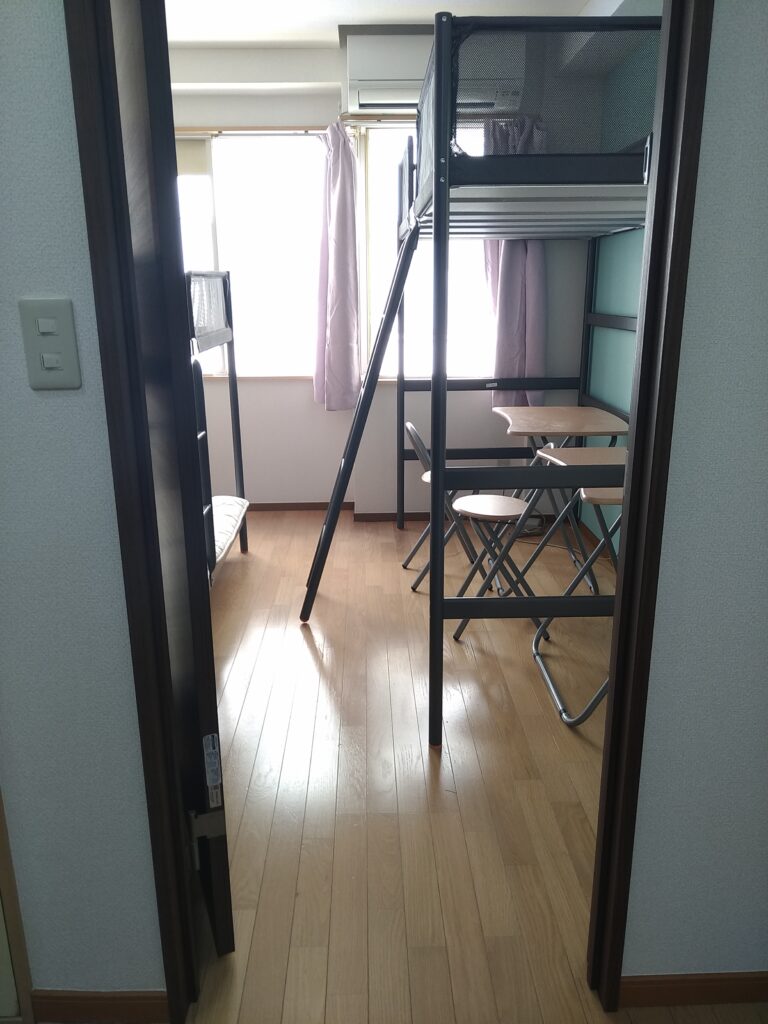
当社が購入後、2・3階をシェアハウスに改装し、運用することにしました。近隣のビジネススクールや外国人向け日本語学校と提携し、生徒の居住スペースとして提供しています。
なお、シェアハウスは共同住宅にあたるため一定の面積以上は建築確認が必要ですが、今回は規模が小さく建築確認は不要、区分所有法による制限がありますが建物全体の管理責任は商店街組合にありました。
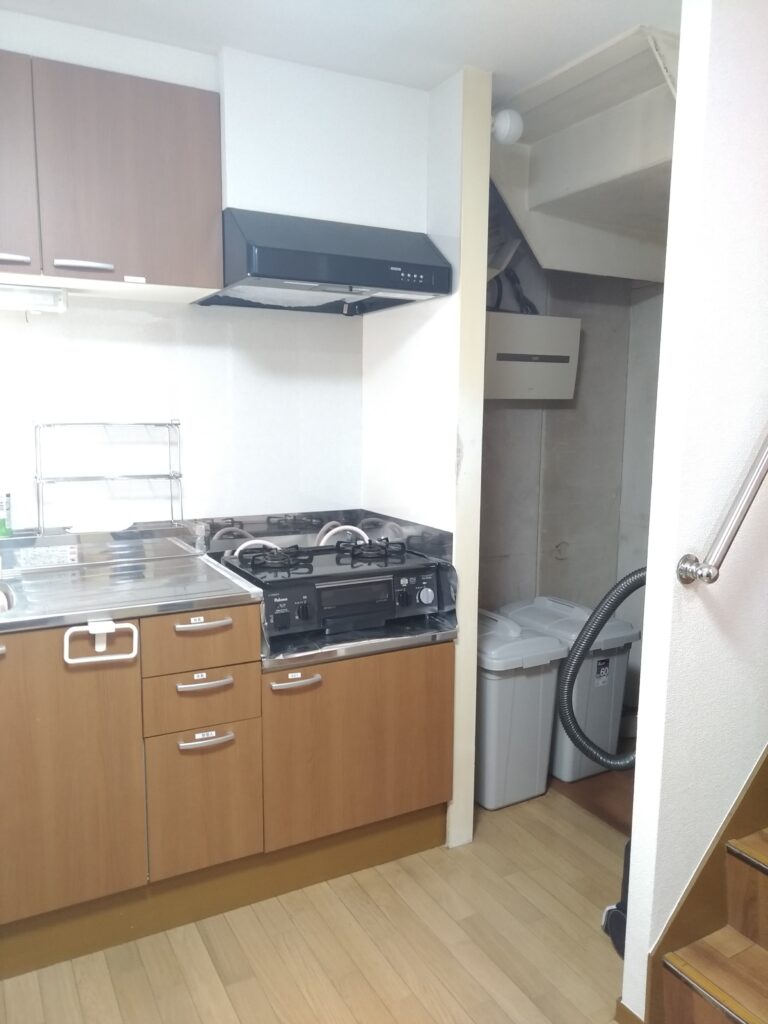
1階と2・3階の給排水設備(水道、下水、ガス)は分離されていませんでした。水道については分離工事を実施しましたが、ガスの配管分離は困難であったため、子メーターを設置し、毎月検針・請求する形で対応しました。
ちなみにその後消防法の改正で管理責任者などの問題が生じましたが、当社の近くにある物件の為、当社を管理責任者として届け出ています。
戦後の商店街運営者は資金に余裕がなく、共同ビルで建築され、1階で商売をしながら上階に自分が住むスタイルが多かったようです。時代が変わり、商店の経営者は商売を止め、大家業に転換するケースが多くなりました。そのため商店街はラーメン屋やドラッグストアなど、高い家賃が取れるテナントが多くなり、個店は減少しました。面白さがあり、人が集まる商店街を実現するには若さが必要なのではないかと思います。単なる利益重視ではない不動産活用方法を例示するには、今のところ自社で不動産を取得し、自ら実行するしかないような気がしますが、将来はそれをまねする人が出てくるような実例を示したいと考えています。
運用開始は2018年です。
We received a consultation regarding the sale of a vertical unit (a single column of exclusive space) within a joint-use building located in a shopping district, and we subsequently purchased the property.
This building was originally constructed with the premise that the owner would operate a business on the first floor and reside on the second and third floors. Indeed, the owner lived on the upper floors, but the first floor had been rented out as a snack bar after the owner ceased their business operations.
After our purchase, we decided to renovate the second and third floors into a share house and manage it ourselves. We have partnered with nearby business schools and Japanese language schools for foreigners to provide the space as student housing.
Share houses are considered multi-unit dwellings. Although architectural confirmation is required above a certain area, this property was small enough to be exempt. While there are restrictions under the Act on Unit Ownership of Buildings, the overall building management responsibility remained with the shopping district association.
The water, sewage, and gas utilities for the 1st floor and the 2nd/3rd floors were not originally separated. We successfully carried out construction to separate the water supply lines. However, separating the gas piping was challenging, so we installed sub-meters and implemented a system of monthly readings and billing to manage the usage.
Subsequently, amendments to the Fire Service Act raised issues regarding the responsible manager. Since the property is located close to our office, we registered our company as the designated responsible manager. (Operation Start: 2018)
In the post-war era, many shopping street operators lacked capital, leading to the construction of joint-use buildings where owners lived above their ground-floor businesses. As times changed, many shop owners ceased their retail operations and transitioned into being full-time landlords. Consequently, many shopping districts saw an influx of tenants who could afford high rents, such as ramen shops and drug stores, resulting in a decline in unique, independent stores.
I believe that achieving a fun and vibrant shopping street that attracts people requires an injection of youthful energy. For now, it seems the only way to demonstrate real estate utilization methods that are not purely profit-driven is to acquire properties ourselves and execute these changes. Our goal is to create successful case studies that future entrepreneurs will want to emulate.